
Last updated September 20, 2026
Free on-site gate assessment - hinges, posts, and your LiftMaster or Nice gate operator checked before anything is quoted
The assessment is free and the quote is the invoice.
Farm & ranch
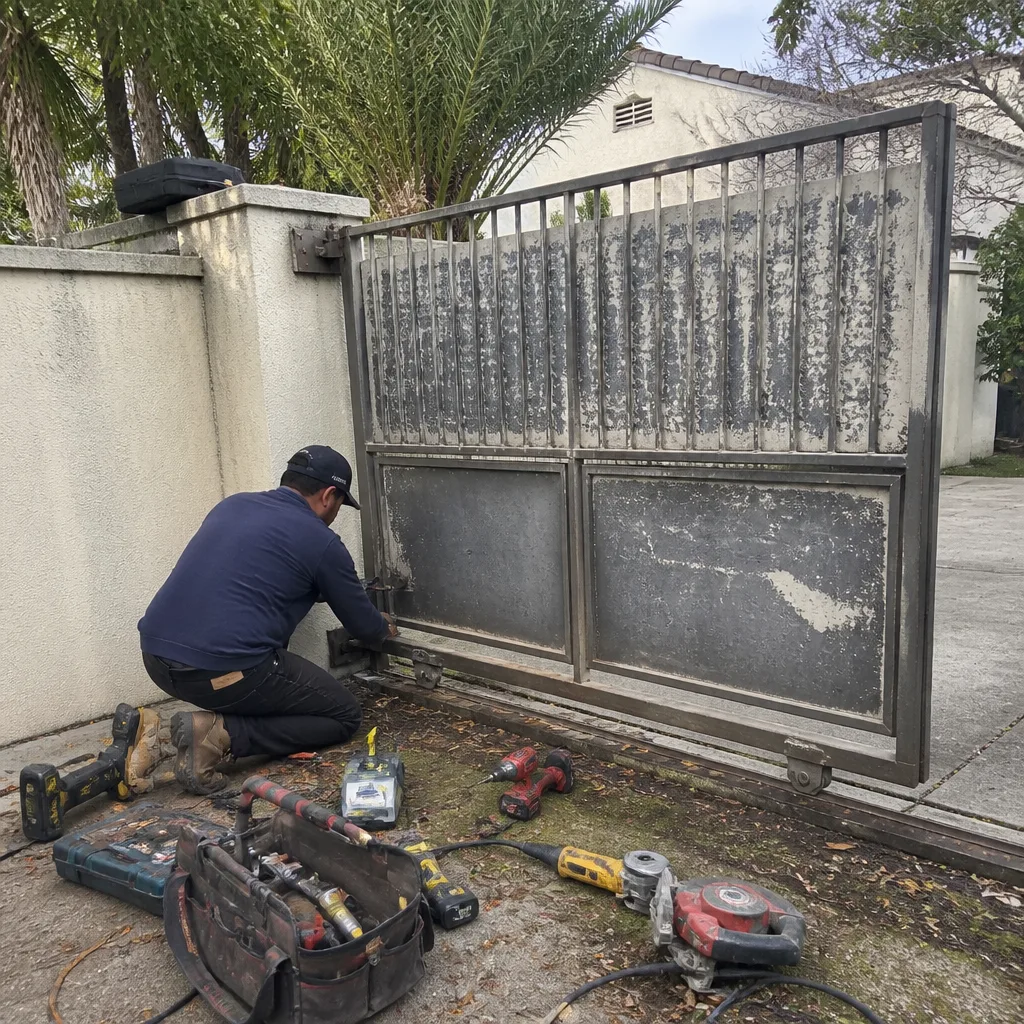 Before
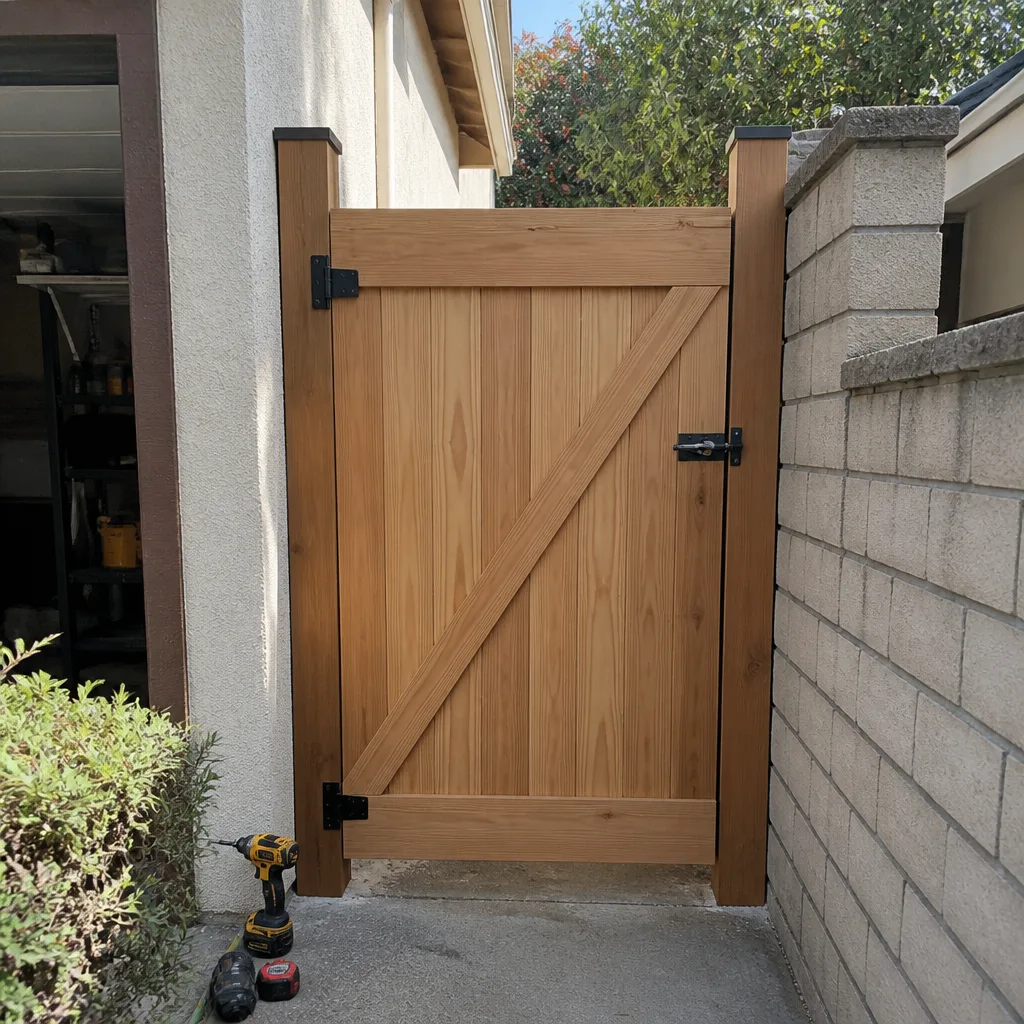 After
After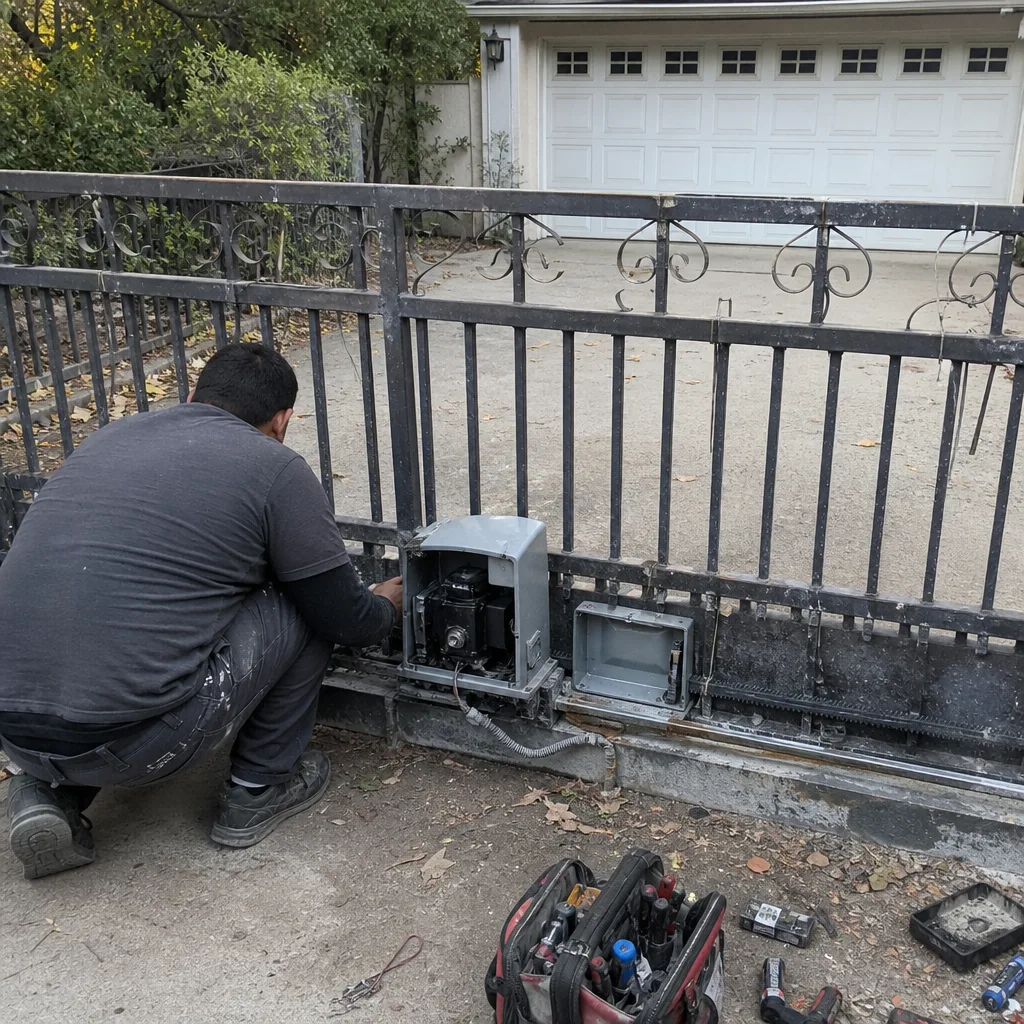 Before
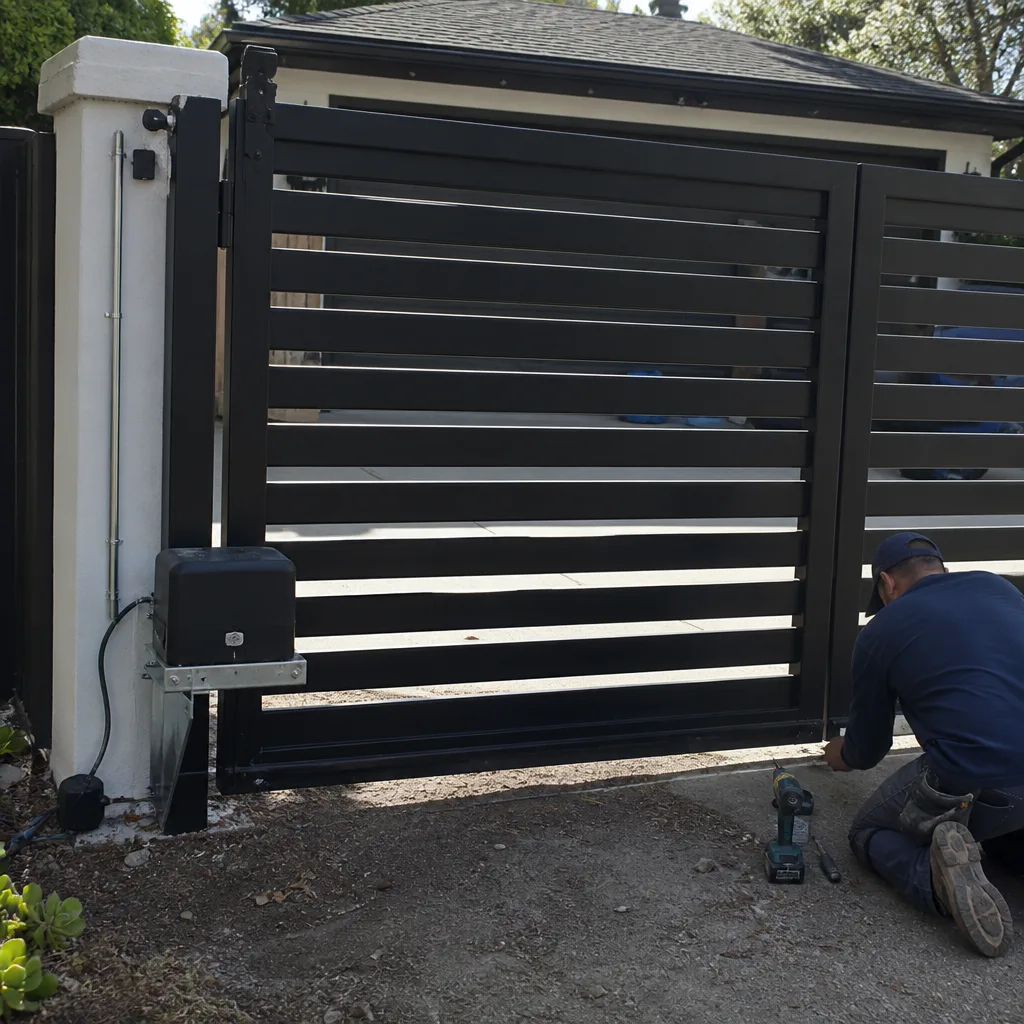 After
After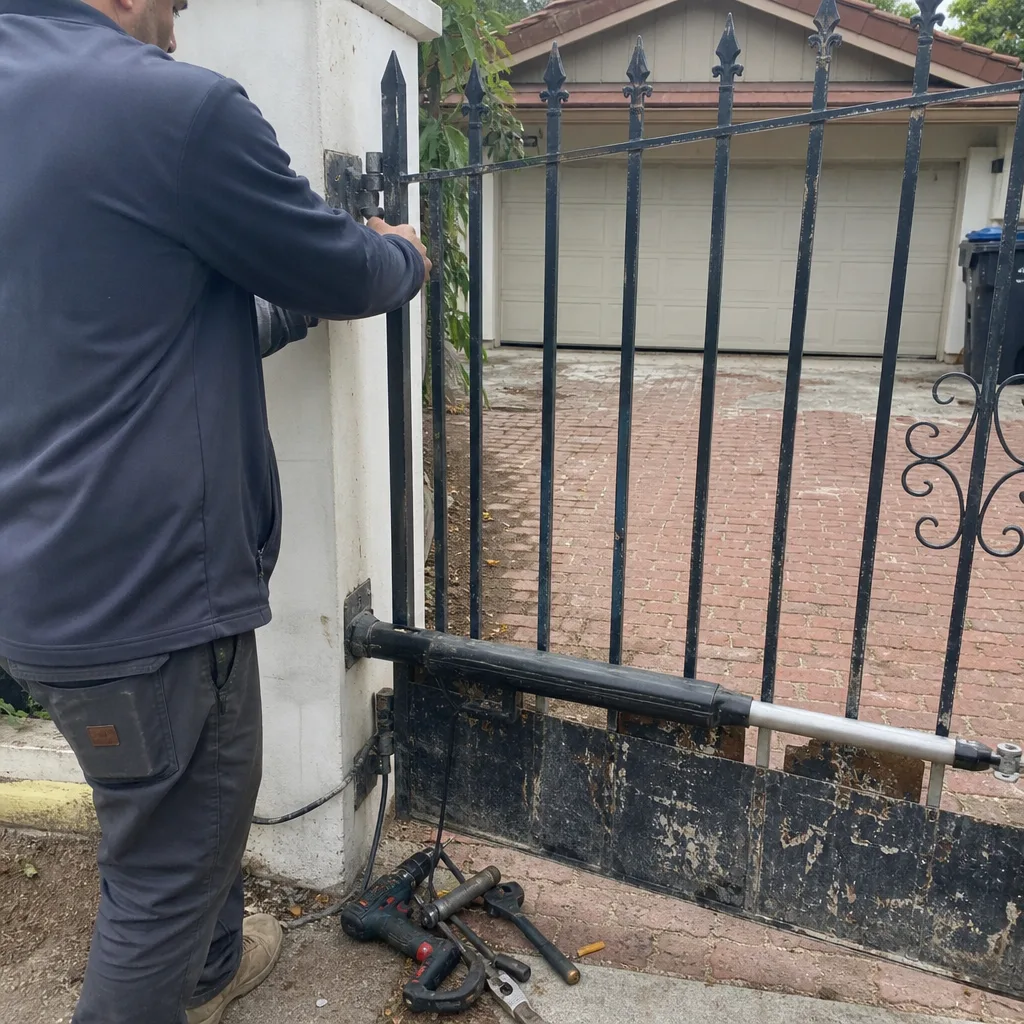 Before
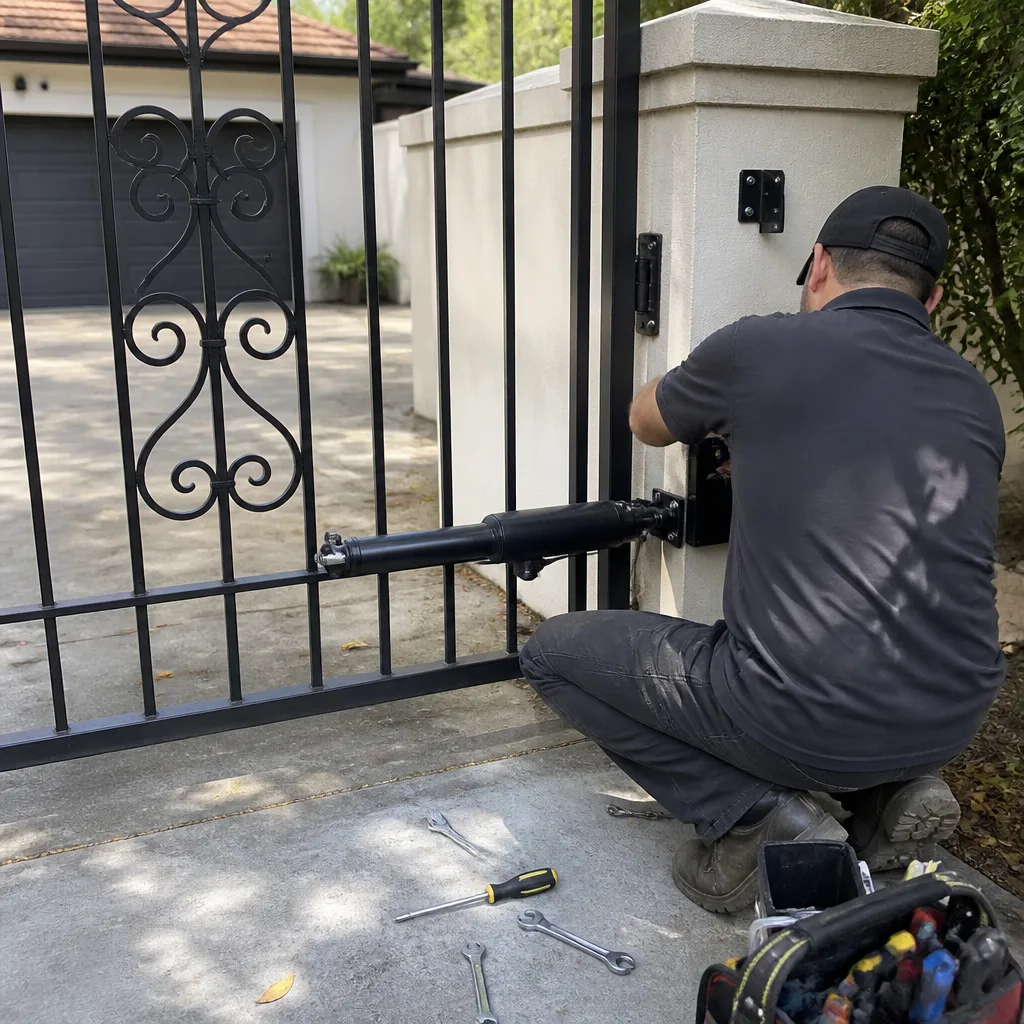 After
AfterThe Complete Guide to Gate Repair in Pasadena
The second repair call costs more than the first in roughly 60% of residential gate jobs in Pasadena, not because the replacement part failed again, but because no one recorded what was replaced, adjusted, or rewired the first time. This guide is built around that single observation. By the time you finish reading, you will understand the four systems every automatic gate depends on, why Pasadena’s specific mix of hillside estates and tightly managed HOA communities produces two distinct failure profiles, what a legitimate repair quote should contain, and what a complete post-repair record looks like when a technician actually leaves evidence behind.
Quick Answer
Our Gate Repair services in Pasadena typically run $185 to $2,600 depending on which of the four gate systems has failed, and most residential repairs are completed the same day. The single strongest predictor of whether a repair holds is not the brand of motor on the gate, it is whether the technician gave you a written scope, a written price, and a documented record of the work before driving away. A complete repair record includes the wiring diagram, limit-switch readings, photos of every adjustment, and the part numbers installed, and you should insist on all four.
Table of Contents
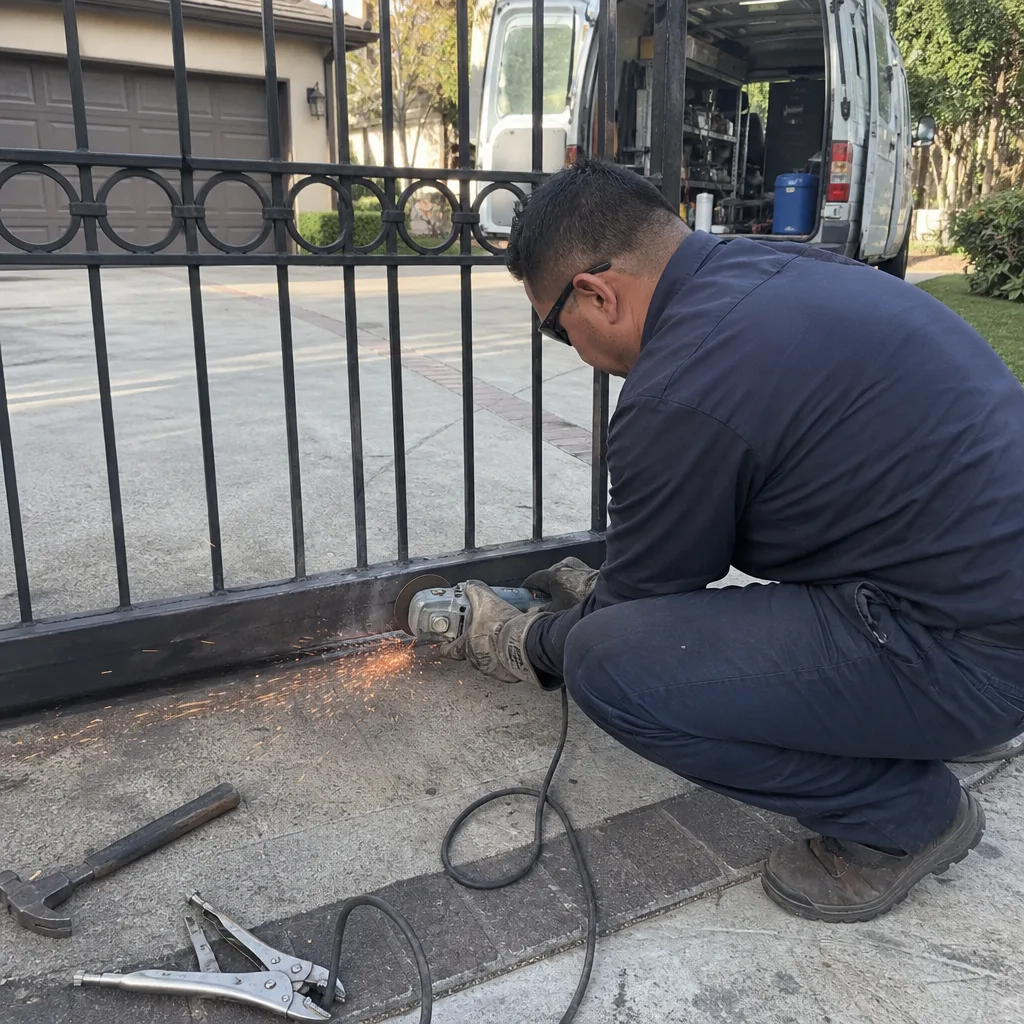
- The Two Pasadena Gate Failure Profiles
- The Four Systems Every Gate Depends On
- Why a Written Scope Before Work Begins Predicts Whether a Repair Holds
- What a Complete Post-Repair Record Contains
- How Documentation Gets You Accurate Bids From Any Future Contractor
- What Gate Repair Costs in Pasadena
- Common Mistakes to Avoid
- When to Call a Professional
- Frequently Asked Questions
BeforeAfterThe Two Pasadena Gate Failure Profiles
After a decade of repairing and installing gates across Pasadena, we have learned to expect two very different failure patterns depending on where in the city a gate lives, as detailed further in DIY vs Professional Gate Repair: The Pasadena Homeowner’s Decision Guide. Neither one has much to do with the age of the gate. Both have everything to do with how the gate was originally installed and what it has been subjected to since.
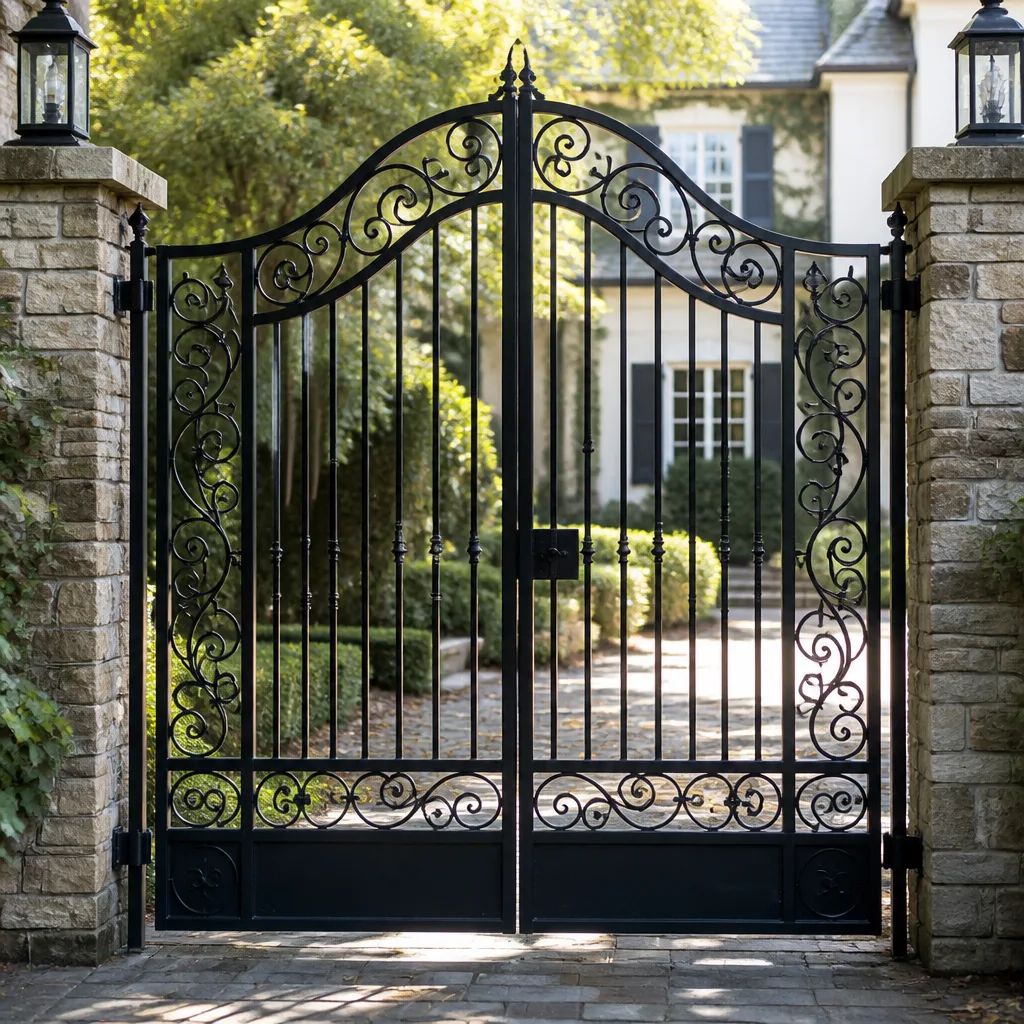
The first profile shows up in the older hillside estates above the Arroyo Seco and along the winding streets of Annandale, Linda Vista, and San Rafael. These are heavy wrought-iron and steel swing gates, often original to homes built between 1920 and 1960, mounted on posts that have settled over decades of seismic activity and clay-heavy soil movement. The gates themselves are usually well-built. The failure is mechanical fatigue. Hinge pins wear into slight ovals. The gate sags by a quarter inch each year until the latch no longer lines up. The opener, which may be a modern LiftMaster or FAAC unit retrofitted onto a gate that was never designed for automation, now fights a few hundred pounds of misaligned mass every time it cycles. The motor works harder, the limit switches drift, and the whole system degrades in a slow cascade that can look like an electrical problem when it is actually a geometry problem.
The second profile appears in newer HOA communities around Hastings Ranch, northeast Pasadena, and the gated enclaves off Sierra Madre Villa. These gates are often lighter tubular aluminum or steel, installed as part of a development’s original build-out. The frames are usually fine. The failure is installer-cut-corners. The original low-bid subcontractor ran the power line below code depth. The photo-eye safety sensors were mounted too close to the gate travel path, so they get knocked out of alignment every few months. The control board sits in a housing that was never properly sealed against the morning marine layer, and the first rainy season of a wet year shorts a relay. These are not ancient gates failing from age. These are eight-year-old gates failing from decisions made on day one.
If you live in Pasadena long enough, you will likely own one of these two gates. The repair approach should be different for each, and the first thing a careful technician should do is figure out which profile applies to your driveway before touching a single adjustment screw.
The Four Systems Every Gate Depends On
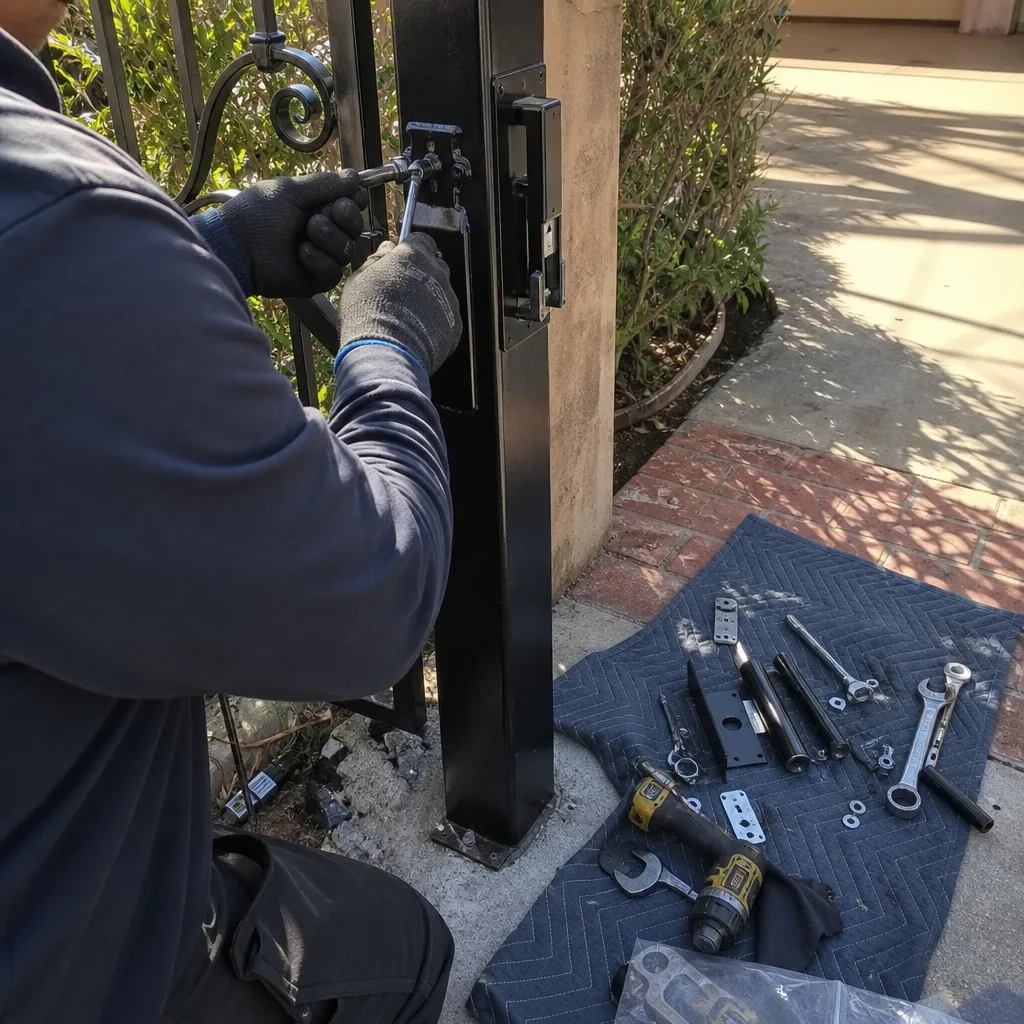
Every automatic gate, whether it swings or slides, whether it is a six-foot pedestrian gate or a twenty-foot driveway gate, depends on four separate systems. When a gate stops working, the problem is almost always in one of these four. The most common misdiagnosis we see from Pasadena homeowners, and from some technicians, is treating the whole gate as a single broken machine rather than four independent layers.
Here are the four systems, in the order a careful diagnostic should follow:
- Power supply. This is the transformer, the circuit breaker, the low-voltage wire run, and sometimes a battery backup. If the gate receives no power, nothing else matters. A surprising number of repair calls begin with a tripped GFCI outlet on the side of the house or a transformer that was unplugged by a gardener. A good technician checks voltage at the panel before assuming the motor is dead.
- Control board. This is the printed circuit board inside the opener housing. It interprets the signal from your remote, keypad, or intercom, and it tells the motor when to start, when to stop, and when to reverse. Control boards fail from moisture ingress, power surges, and age. They can be diagnosed with a multimeter, and a failed board is often mistaken for a failed motor.
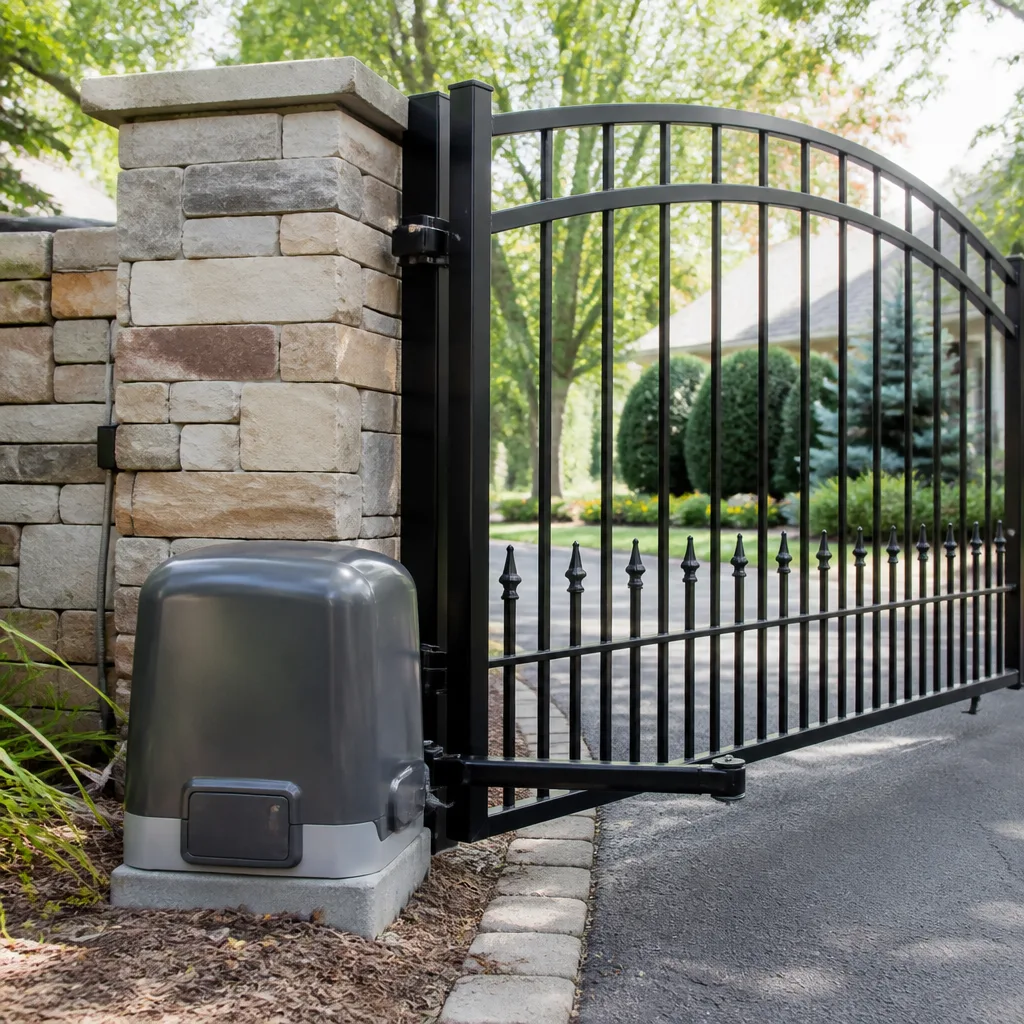
- Mechanical drive. This is everything that moves: the motor itself, the arm on a swing gate, the chain or belt and trolley on a slide gate, the wheels, the hinges, the track, and the physical stops that limit travel. Mechanical problems are almost always audible. A gate that groans, shudders, or slows down before stopping is telling you something important.
- Safety sensors. These are the photo-eyes, the edge sensors, and the current-sensing reverse mechanism that tells the gate to stop or reverse if something is in the way. In Pasadena, safety sensor misalignment is the single most frequently misdiagnosed failure across every neighborhood we work in. A gate that starts to open, stops, and reverses is usually not a motor problem. It is a photo-eye that has been bumped a half-inch out of alignment, and the control board is doing exactly what it should.
The reason the order matters is that the first three systems are often easier to check, and a technician who skips the cheap diagnosis to sell you a $1,400 motor replacement is not doing you a favor. We have replaced limit switches on a DoorKing slide gate in southeast Pasadena where the previous quote was for a full motor and board replacement. The fix took 40 minutes and cost under $300. The gate has run without incident since. That outcome was only possible because the diagnostic process followed the four systems in sequence rather than jumping to the most expensive conclusion.
Why a Written Scope Before Work Begins Predicts Whether a Repair Holds
Most discussions about gate repair pricing focus on the dollar amount. We think that is the wrong variable. The stronger predictor of whether a repair actually holds is whether the technician wrote down what they planned to do before they touched the gate. A written scope of work does two things a verbal estimate cannot. It forces the technician to think through the full sequence of the job before starting, and it gives you a basis for comparison when the work is complete.
Here is what a legitimate written scope should contain, at minimum:
- A clear problem statement. Not just “gate not opening,” but “swing gate arm has 3 inches of free play at the bracket, motor hums but does not move the gate, fuse on control board not blown.” The problem statement tells you the technician actually looked at the gate before quoting.
- A specific repair sequence. The steps in order. “Remove actuator arm, inspect bracket welds, replace hinge bolts with new grade 8, reset limit positions, test 20 full cycles.”
- Part numbers or part descriptions. If a part is being replaced, which one, what brand, and what model number when it is known before opening the housing.
- The flat price. Written. Handed to you before any work starts. Not a range, not an estimate that can drift upward, not a “time and materials” figure. A number.
- What is excluded. If additional damage is found once the housing is opened, what happens? A legitimate scope says “if additional parts are needed, we stop work and provide a second written scope before proceeding.”
This is not a luxury. In Pasadena, where a single gate repair can run from a few hundred to several thousand dollars depending on what is actually wrong, the written scope is the difference between agreeing to a repair and agreeing to an open-ended invoice. At Gate Repair in Pasadena through Vance Gate Repair, the written price is handed over before the first tool comes off the truck, every time. It is the only way we work.
The reason a written scope predicts repair longevity is that the technician who writes down the sequence before starting is the same technician who will document the sequence after finishing. The habit travels together.
What a Complete Post-Repair Record Contains
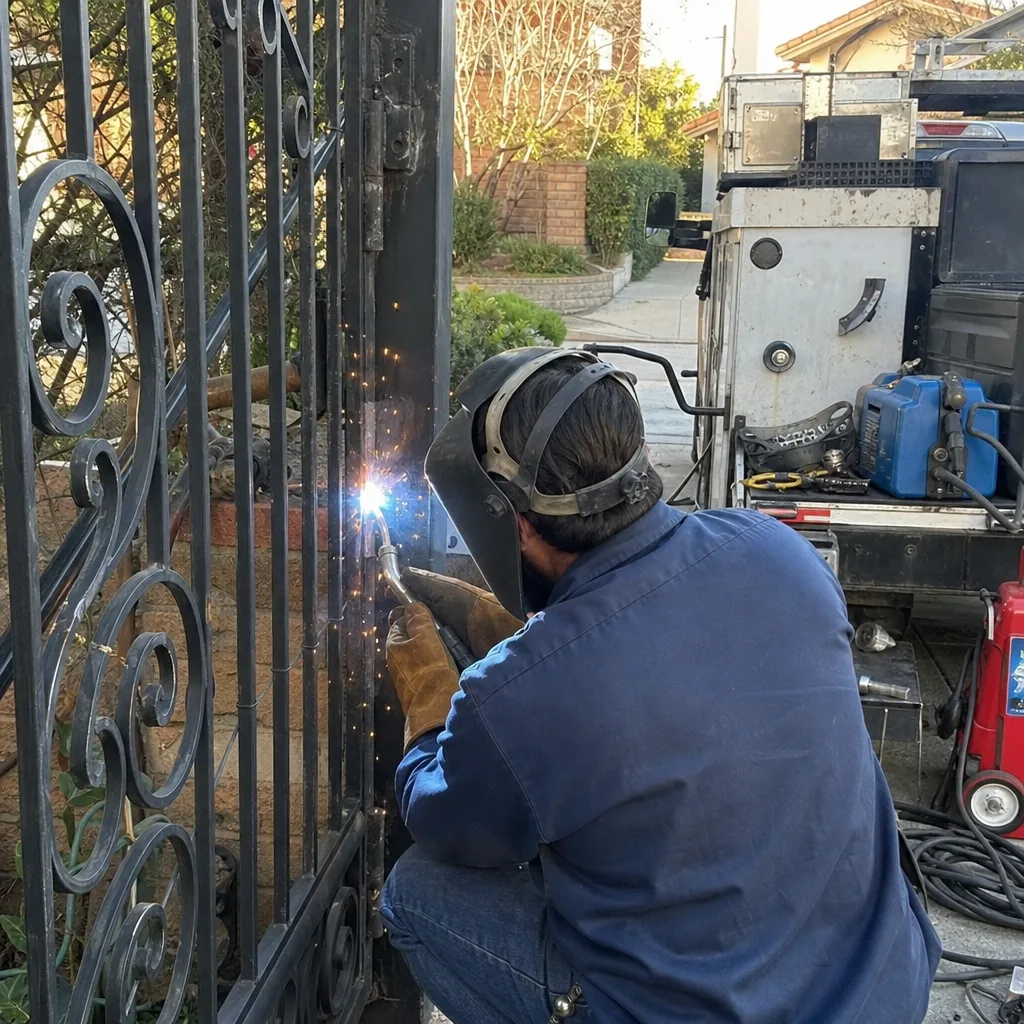
Verbal summaries do not substitute for a written record. A technician can tell you “I replaced the limit switch and reset the travel,” and if the gate fails again three months later, that sentence tells the next technician almost nothing. Which limit switch? What was the part number? What were the settings before, and what were they set to after? What did the wiring look like when the housing was opened, and what did it look like when the housing was closed?
A complete post-repair record contains four components:
- A wiring diagram. Not the manufacturer’s schematic from the installation manual, although that is useful to have. We mean a hand-drawn or printed diagram of what was actually on the board when the technician arrived and what was changed. If a wire was moved from terminal 12 to terminal 14, the record shows both positions. This is the difference between a future technician spending 20 minutes tracing a circuit and spending three hours guessing.
- Limit-switch readings. The limit switch is the mechanism that tells the motor where to stop. On a swing gate, the limits are set in degrees of travel. On a slide gate, they are set in inches of track travel. The record should show the before and after readings for every limit adjusted. If your gate was stopping 14 inches short of the close position, the record says that, and it says what the new setting is.
- Photographs. Not one photo. A sequence. The open housing with the board visible. The motor mounting bracket. The hinge assembly. The sensor alignment. The final gate position in both fully open and fully closed states. These photos are the evidence that the work was actually performed. They also protect you in a dispute, and they protect the technician when a gate fails again from a different cause.
- Part numbers. Every part installed, with the manufacturer name and the exact number or model. “Replaced opener control board, LiftMaster model LA400PKGU board, part number K1D8387-1CC.” Not “replaced the board.” The next technician can pull the spec sheet for that exact part in 30 seconds. Without the number, they have to identify a board from photos or remove it from the housing.
This is what a commercial access-control contractor delivers on every site visit as a matter of routine. It is the same habit Adrian Vance built on commercial access-control sites beginning in 2014, and it carries over to every residential driveway gate in Pasadena we touch. The homeowner receives a photo log of every adjustment and a written record of every part number installed. No future technician has to guess. That means no Pasadena homeowner pays a second diagnostic fee to rediscover what the first technician already learned.
How Documentation Gets You Accurate Bids From Any Future Contractor
The practical value of a documented repair record becomes obvious the next time you need work done on the same gate, whether that is six months later or six years later. If you are getting bids from multiple gate companies, and you hand each one the same documented record, you are asking them all to bid on the same known quantity. That is what produces comparable estimates.
Here is the sequence to follow when you need a new bid and you have a documented repair history:
- Pull the record from the previous repair. This is the wiring diagram, the limit-switch readings, the photos, and the part numbers from the last technician. If your previous gate company did not leave a record, you are starting from zero, and the next bid will include hours of diagnostic guesswork in the price.
- Describe the current symptom in plain language. “Gate opens fully, stops halfway when closing, reverses to open position, no error code on the keypad.” Do not tell the bidding technician what you think the problem is. Tell them what the gate is doing. Let them diagnose.
- Provide the previous record before they arrive. A technician who sees the wiring diagram and the limit-switch readings from the last service knows what the gate looked like when it was last working correctly. This often cuts the diagnostic time in half.
- Ask for a written scope and flat price, same as last time. If the new company will not provide a written price before starting work, get another bid. There is no reason to accept verbal pricing on a job that can be scoped in advance.
- Compare line items, not bottom lines. A $900 bid and a $1,400 bid may look very different until you notice that the $900 bid does not include new hinge pins, and the $1,400 bid includes a replacement control board with the part number listed. The documented record lets you verify which bid actually addresses the diagnosed problem.
This process works whether you are hiring Vance Gate Repair Pasadena or any other qualified gate contractor in the area. The documentation record is the asset. The company that created it left you the information you need to make any future vendor accountable, and that is worth more than the initial repair itself.
What Gate Repair Costs in Pasadena
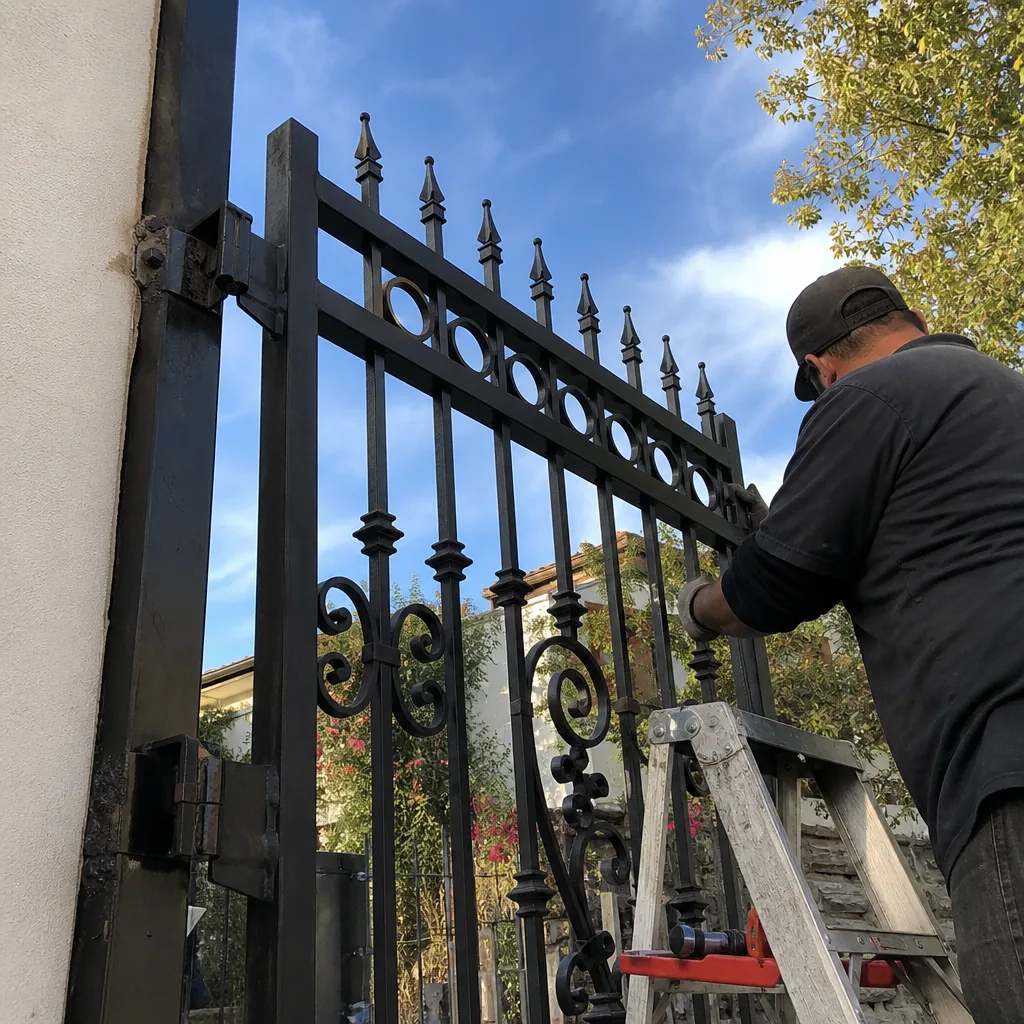
Gate repair costs in Pasadena span a wide range because the failures span a wide range. A misaligned photo-eye costs less to fix than a full slide-gate motor replacement. We will give you the honest ranges for the most common repairs we perform, with the caveat that every gate is different and the written quote for your specific gate should come from a technician who has looked at it.
- Safety sensor realignment or replacement: $185 to $375. This is the most common repair in Pasadena, especially on newer HOA gates where the original sensors were mounted too close to the gate travel path.
- Limit switch replacement and travel reset: $220 to $480. Includes new limit switches where needed and recalibration of full open and full close positions.
- Swing-gate hinge replacement or rewelding: $350 to $950. Depends on gate weight, hinge type, and whether the post has shifted. Hillside Pasadena gates with decades of soil movement often need hinge work.
- Control board replacement: $400 to $1,200. Varies by brand. An Elite or Mighty Mule board costs less than a FAAC or LiftMaster board. Includes reprogramming of remotes and keypad codes.
- Actuator arm replacement on a swing gate: $450 to $1,100. Depends on arm type and whether the mounting brackets are still intact.
- Full motor and drive replacement on a slide gate: $1,400 to $2,600. This is a measure-and-quote job, not a same-day emergency repair. Includes new motor, sprocket, chain or belt, and full travel calibration.
These are honest ranges for Pasadena gate repair at the time of writing. Your specific gate may fall above or below a range depending on its condition, its brand, and what has been done to it in the past. What should not vary is the process: the price is written down before work starts, and it does not change unless the technician finds something new and provides a second written scope before proceeding. If a gate company will not commit to a written price before the first tool comes off the truck, walk away.
For a deeper look at what goes into a new gate, see our guide to Gate Installation in Pasadena. The pricing logic for installation is different from repair pricing, because installation involves fabrication, permits, and structural decisions that repair does not.
Common Mistakes to Avoid
- Treating a recurring symptom as a new problem. If the gate stops closing halfway every four months and you keep paying to have the sensors realigned, the sensors are not the problem. The mounting position is. The repair record from the last visit should tell the next technician that this is the third time. Without the record, you start the diagnostic from scratch on every visit.
- Letting a technician replace a motor without testing the control board. A dead motor and a dead board produce similar symptoms. The board is cheaper and easier to test. Any technician who cannot produce voltage readings at the board should not be replacing a $1,400 motor.
- Accepting a verbal estimate without a written scope. If it is not written down, it did not happen. A verbal “should be around $600” becomes an invoice for $1,100 and you have no way to dispute it.
- Deferring hinge or track maintenance because the gate still opens. A sagging hinge puts load on the opener, which puts load on the board, which shortens the life of everything. The $500 hinge job deferred becomes a $2,000 motor replacement.
- Hiring a gate company that cannot service the brand already on your property. Pasadena is full of FAAC, LiftMaster, DoorKing, Elite, and Mighty Mule gates. If a company tries to steer you toward replacing your existing opener with the one brand they happen to sell, call someone else. A qualified technician services all nine major automation brands and repairs the motor you have instead of selling you a new one.
- Skipping the written post-service record because “the gate works now.” The gate working now is exactly when you need the record. In six months, when it stops working, the record is what prevents a second diagnostic fee and a second round of guesswork. Ask for the wiring diagram, the limit readings, the photos, and the part numbers before the technician leaves your driveway.
When to Call a Professional
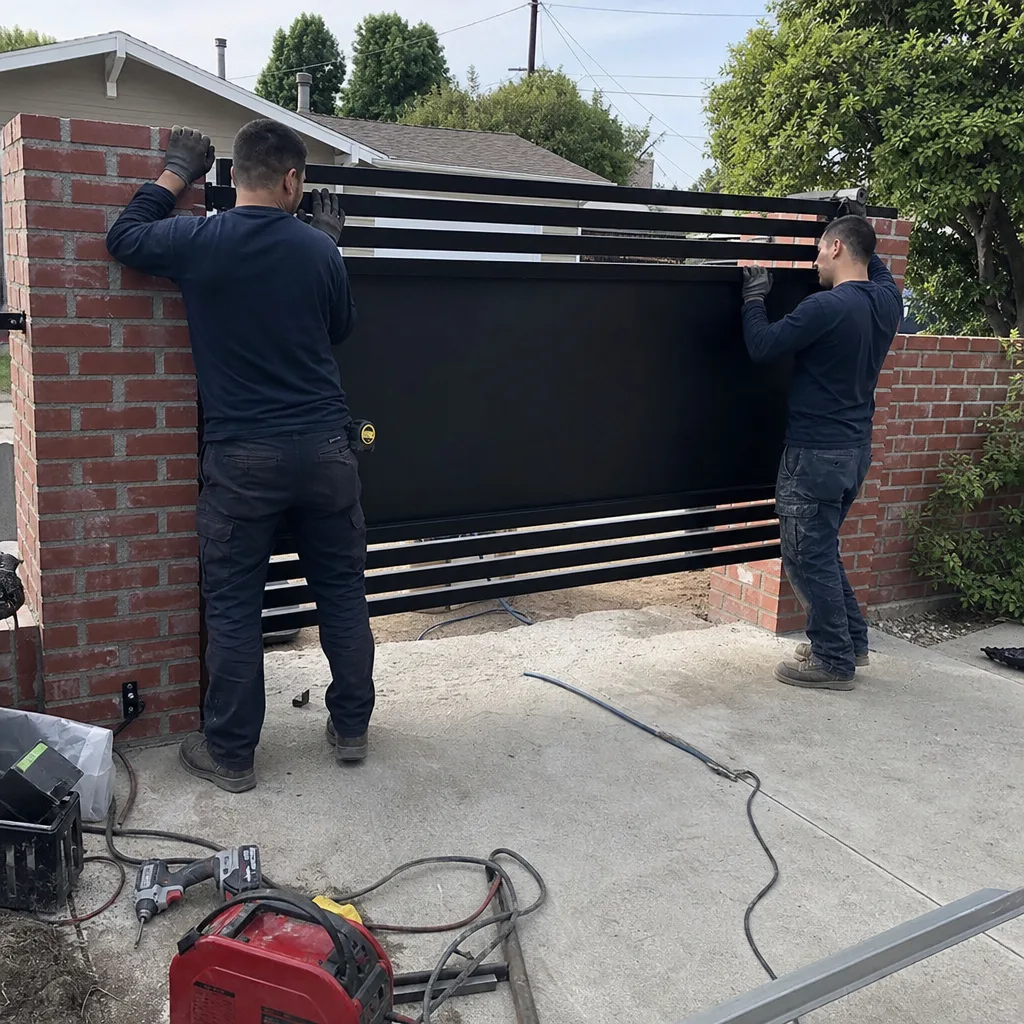
A gate that grinds, groans, or shudders when moving is telling you about a mechanical failure in progress, and running it until it seizes will multiply the repair cost. A gate that reverses before closing, or that opens on its own, is usually a safety sensor problem that can be fixed in under an hour by a technician with a meter and the right replacement sensor. A gate that trips a breaker repeatedly is a wiring or motor problem that should not be ignored, because a shorted wire inside a metal gate housing is a shock and fire hazard. If your gate stops working entirely and you cannot identify the power supply issue in five minutes, call someone who can. Vance Gate Repair Pasadena offers free estimates in Pasadena, and a live person answers the phone 24/7 at (626) 624-4196. If the job is a motor replacement, an installation, or an automation upgrade, we will schedule a measure and provide a written quote; if it is a repair, we will do everything we can to be there the same day.
Frequently Asked Questions
Most residential gate repairs in Pasadena run between $185 for a sensor realignment and $2,600 for a full slide-gate motor replacement, with the most common repairs falling in the $300 to $900 range. The flat price is written down and handed to you before any work starts. Call (626) 624-4196 for a free estimate on your specific gate.
Yes, Vance Gate Repair responds to emergency repair calls in Pasadena the same day, and a live person answers the phone 24/7 at (626) 624-4196. If your car is trapped in or out of your driveway, let us know that when you call and we will prioritize the dispatch accordingly.
We service all nine major gate-automation brands including FAAC, LiftMaster, DoorKing, Elite, Mighty Mule, and more, so we will repair the motor already on your property rather than steering you toward a replacement. Bring us the make and model from the motor housing and we will look up the parts before we arrive.
A complete post-repair record includes a wiring diagram of the control board before and after the work, limit-switch readings, photos of every adjustment and installed part, and the exact part numbers for everything replaced. We leave this record with you at the end of every visit and file a copy in the job record. No additional charge.
Yes, we offer a free second opinion on any written estimate from another gate company. Bring the paperwork, and we will review it line by line at no cost to tell you whether the scope matches the diagnosed problem and whether the price is fair for the Pasadena market.
New gate installations and full motor replacements are measured, ordered, and scheduled, not performed as same-day jobs. We will send a technician to measure and provide a written quote within a few days of your call, and the installation is scheduled once the estimate is approved. Call (626) 624-4196 to schedule a free measure.
The Bottom Line
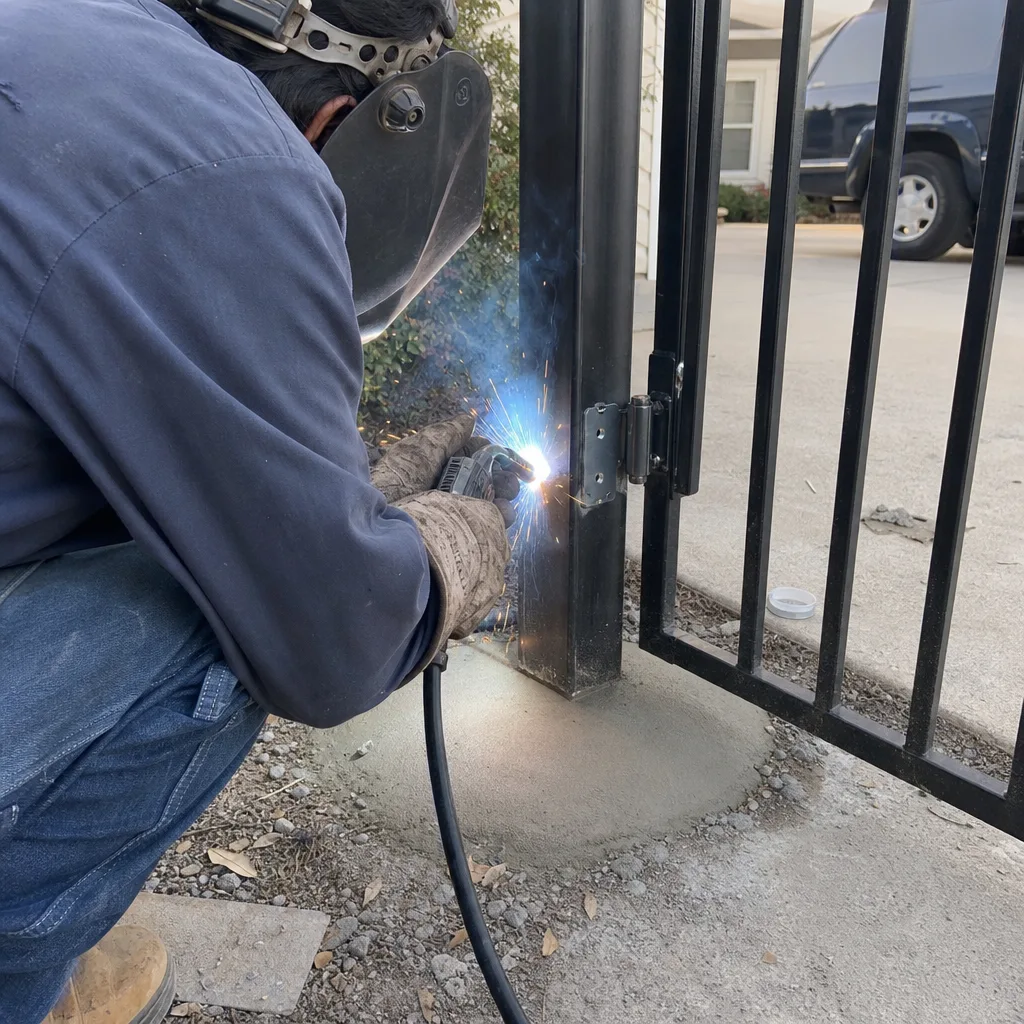
Gate repair in Pasadena is a documentation problem as much as it is a mechanical problem. The gate that fails twice costs more than the gate that fails once, not because the parts are inferior but because the first repair left no trace. A written scope before the work begins and a documented record afterward are what separate a repair that holds from a repair that recurs. If you remember one thing from this guide, remember this: ask for the wiring diagram, the limit readings, the photos, and the part numbers, and refuse to accept a verbal summary in their place. For more guides & resources, visit our blog. Your future self, and your future technician, will know exactly what was done, and you will never pay twice to rediscover the same problem.
Written by Adrian Vance, Owner at Vance Gate Repair Pasadena, serving Pasadena since 2014.